- 15 Dec, 2025
What Happens to Your Body After 30 Days Without Nicotine Pouches
You’ve decided to quit nicotine pouches. Maybe you’re on day one, white-knuckling through cravings. Maybe you’re considering quitting but need motivation. Either way, here’s the good news: your body starts healing faster than you think. Let’s walk through exactly what happens when you stop using Zyn, Nordic Spirit, or any other nicotine pouch—hour by hour, day by day.
The First 24 Hours: Detox Begins
20 Minutes After Your Last Pouch
Your body doesn’t waste any time. Within 20 minutes:
- Heart rate drops to normal levels
- Blood pressure begins normalizing (nicotine constricts blood vessels)
- Circulation improves in your hands and feet
You might not feel these changes, but they’re happening. Your cardiovascular system is already saying “thank you.”
2 Hours In
- Nicotine levels in your blood drop by 50%
- First cravings hit as your brain notices the missing dopamine
- Heart rate and blood pressure continue stabilizing
This is where the mental game begins. Your brain is used to regular nicotine hits—now it’s wondering where they went.
8-12 Hours In
- Nicotine is mostly cleared from your bloodstream
- Oxygen levels in your blood increase
- Carbon monoxide levels drop (if you were also smoking/vaping)
- Withdrawal symptoms may intensify: irritability, restlessness, difficulty concentrating
Pro tip: This is a great time to be sleeping. If you can time your quit to start in the evening, you’ll sleep through the early uncomfortable hours.
24 Hours: Day One Complete
- Nicotine is 90% eliminated from your system
- Your mouth begins healing from constant pouch irritation
- Risk of heart attack already begins decreasing
- Anxiety and cravings are likely at their first peak
Congratulations—you’ve made it through the hardest starting point. Everything from here is building on this foundation.
Days 2-3: The Peak Challenge
This is the summit of Mount Withdrawal. Here’s what’s happening inside:
Day 2
- Nerve endings start regenerating in your mouth
- Sense of taste begins improving
- Cravings intensify (your brain is really noticing now)
- Irritability and mood swings peak
- Sleep may be disrupted
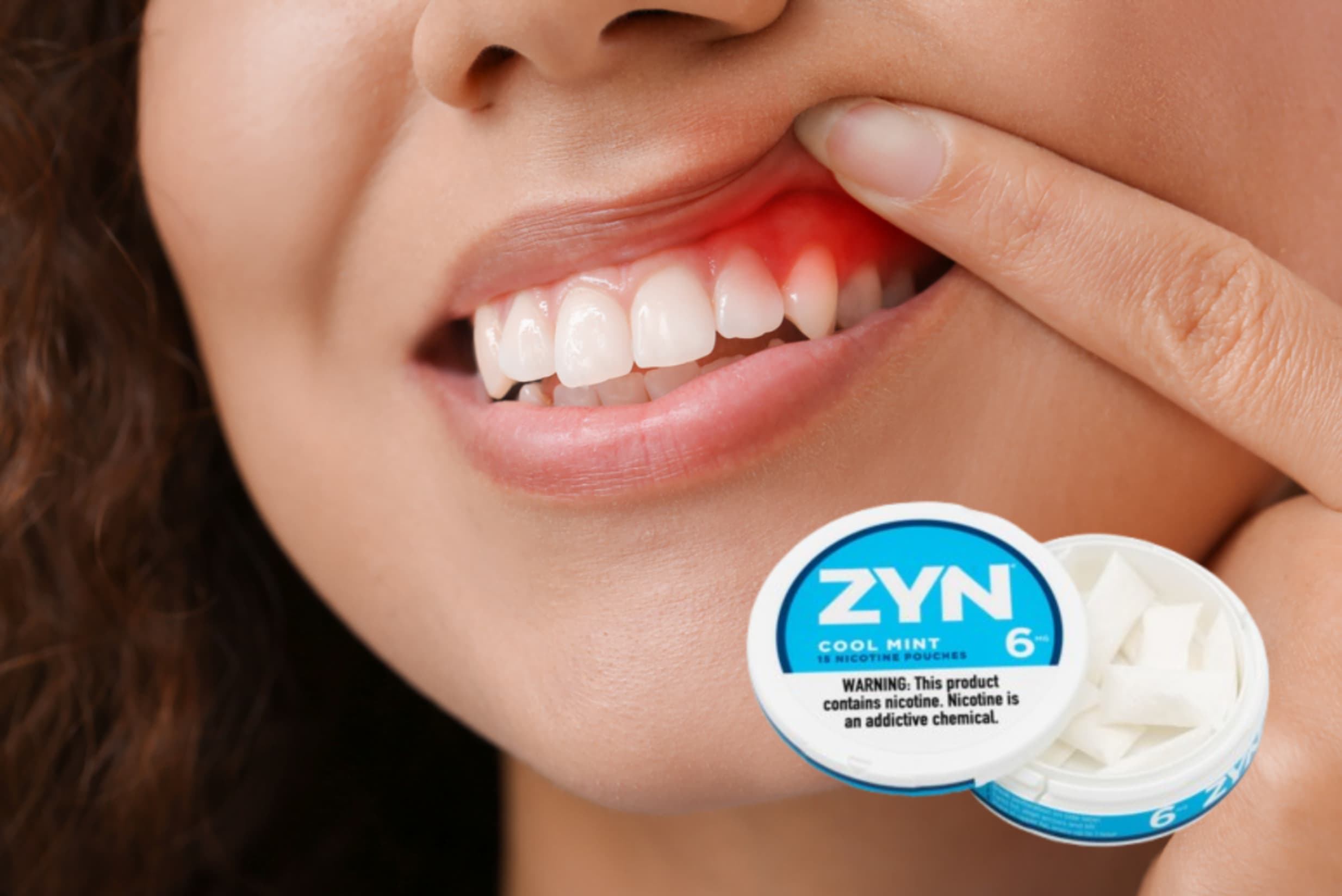
Your gums, which have been constantly exposed to nicotine and flavoring chemicals, are starting to repair. That weird sensitivity? It’s healing.
Day 3: The Turning Point
- Nicotine is completely out of your body
- Cravings hit their maximum intensity
- Headaches are common as your body adjusts
- Energy levels may crash
- Concentration is difficult
Day 3 is often cited as the hardest day. But here’s the silver lining: you’ve now eliminated nicotine entirely. From this point forward, you’re fighting habit, not chemistry.
For detailed strategies to get through these days, check our withdrawal symptoms guide.
Days 4-7: The Fog Begins to Lift
Day 4-5
- Physical withdrawal symptoms start easing
- Cravings become less constant (but still intense when they hit)
- Sleep quality begins improving
- Appetite may increase significantly
- Mood stabilizes slightly
Your body is recalibrating its dopamine system. The constant “need” feeling starts transitioning to occasional “want.”
Day 6-7: One Week Victory
- Gum tissue is actively repairing
- Oral sores and irritation noticeably reduced
- Energy levels begin returning
- Cravings now come in waves rather than constantly
- You can go hours without thinking about pouches
One week is a massive milestone. The physical addiction is largely broken. What remains is the psychological habit—and that’s beatable.
Week 2: Real Recovery Begins
Days 8-14
Your body shifts from crisis mode to repair mode:
- Circulation continues improving throughout your body
- Gum inflammation significantly reduced
- Blood pressure may drop to pre-addiction levels
- Lung function improves (if you were also vaping/smoking)
- Mental clarity returns—the “brain fog” lifts
- Cravings are less frequent, though triggers can still catch you off guard
This is when many people notice they can actually think better. Nicotine’s constant presence created a baseline—now you’re discovering your true baseline, and it’s clearer.
The Oral Health Turnaround
By week two, your mouth is dramatically different:
- Gum color improves (healthier pink vs. irritated red)
- Sensitivity at pouch placement sites decreases
- Saliva production normalizes
- Bad breath from nicotine metabolism fades
Remember that 58% of pouch users who develop mouth sores? You’re on your way out of that statistic.
Week 3: Building New Normals
Days 15-21
The acute withdrawal phase is over. Now you’re rewiring habits:
- Cravings become situational (specific triggers vs. constant need)
- Sleep quality often better than when you were using
- Physical energy and stamina improve
- Anxiety levels typically lower than during active use
- Dopamine receptors are healing—natural pleasures feel better
This is when people often say, “I didn’t realize how much it was affecting me.” The contrast between addicted-you and recovering-you becomes clearer.
Your Brain on Recovery
Nicotine artificially flooded your brain with dopamine. Without it, your brain initially panicked. By week three:
- Dopamine receptors are upregulating (becoming more sensitive)
- Natural rewards (food, exercise, social connection) feel more satisfying
- Stress response begins normalizing
- Concentration and memory improve
You’re not just quitting a bad habit—you’re restoring your brain’s natural reward system.
Week 4: The One-Month Milestone
Days 22-30
Welcome to a new chapter:
- Heart attack risk has noticeably decreased
- Blood flow to gums fully restored
- Immune function in your mouth is restored
- Energy levels stabilize at a new, higher normal
- Cravings are rare and manageable
- You’ve broken the daily habit cycle
Physical Improvements You Can See and Feel
By 30 days, most former pouch users report:
- Healthier-looking gums (no more “pouch marks”)
- Better breath
- Improved taste and smell
- More stable energy throughout the day
- Better sleep quality
- Reduced anxiety overall
The Numbers Don’t Lie
| Metric | Day 1 | Day 30 |
|---|---|---|
| Nicotine in system | High | Zero |
| Heart attack risk | Elevated | Decreasing |
| Gum health | Compromised | Healing |
| Natural dopamine function | Suppressed | Recovering |
| Craving frequency | Constant | Occasional |
| Energy stability | Roller coaster | Stable |
Beyond 30 Days: What’s Next
Your one-month milestone is just the beginning. Here’s what continues improving:
Months 2-3
- Gum tissue fully regenerates
- Risk of oral cancer begins declining (if you were a heavy user)
- Exercise capacity improves significantly
- Psychological dependency continues weakening
6 Months
- Stress management ability improves
- Cravings become rare (monthly or less)
- Most former users report no desire to return
1 Year
- Risk of heart disease drops by 50%
- You’ve saved approximately $1,800-$2,400 (at average usage rates)
- You’re officially a non-user, not someone “quitting”
How to Track Your Progress
The improvements above aren’t just motivational fluff—they’re real, measurable changes. But they’re easier to appreciate when you track them.
What to track:
- Days since last pouch
- Money saved
- Craving frequency and intensity
- Physical symptoms (improving and fading)
- Mood patterns
- Sleep quality
Apps like Snuuze are built specifically for this. Watching your streak grow and your symptoms fade provides concrete evidence that your body is healing.
Your 30-Day Challenge Starts Now
Every hour without nicotine is an hour of healing. Every day is a victory. And every week brings you closer to complete freedom.
The timeline above isn’t a promise—everyone’s journey is slightly different. But the direction is universal: your body wants to heal, and it starts the moment you stop.
Ready to start your 30 days? Download Snuuze to track your progress, celebrate milestones, and join 800,000+ others on the same journey. Your future self—30 days from now—will thank you for starting today.