- 24 Aug, 2026
Using Nicotine Patches and Gum to Quit Zyn
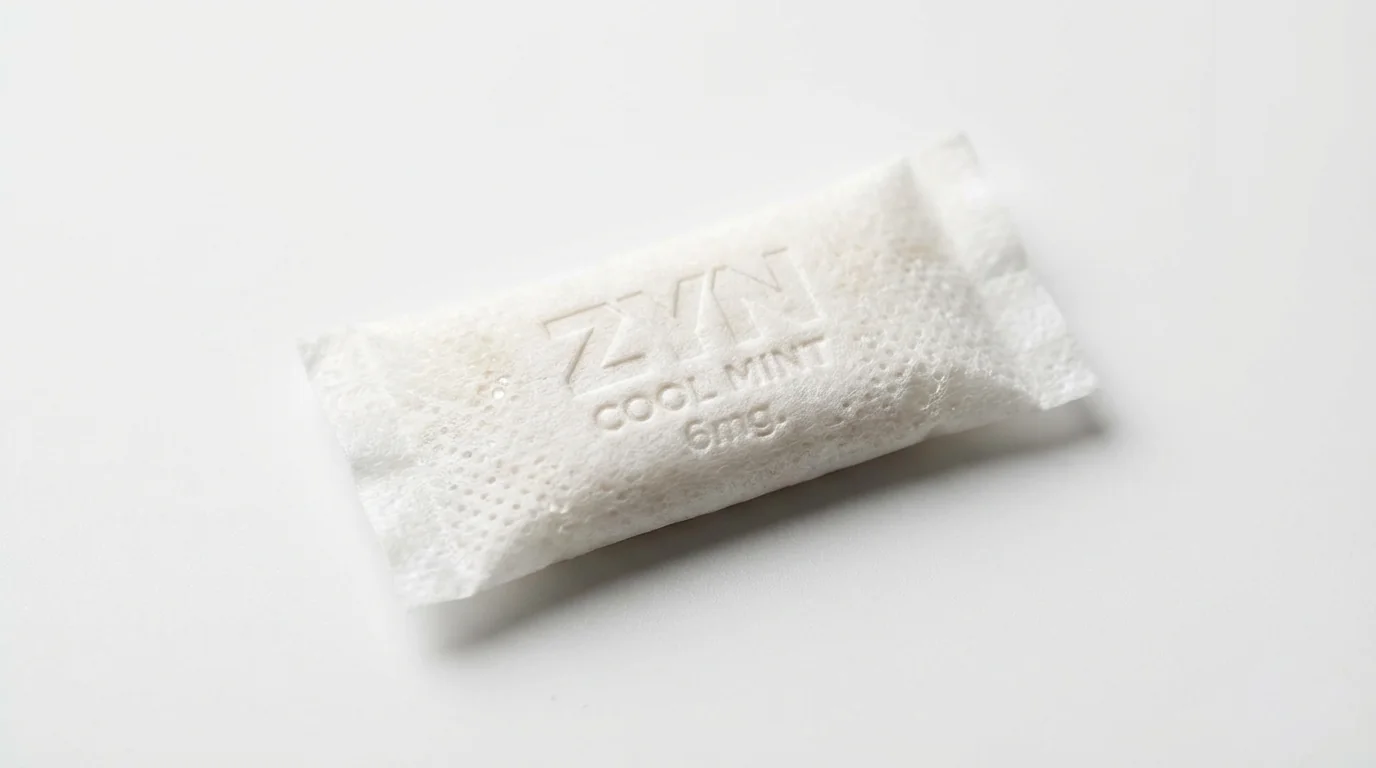
Using nicotine to quit nicotine sounds like a contradiction. It is not. The problem with pouches is not only the nicotine — it is the delivery: fast, oral, available every twenty minutes, tied to a hundred small moments in your day. A patch gives you the drug without the ritual, which is exactly the half you need to keep while you dismantle the other half.
This is nicotine replacement therapy, and it is one of the better-established tools for quitting. It is also widely misused, in ways that make people conclude it does not work.
Patch, gum, or lozenge?
A patch delivers a steady dose through the skin over 16 or 24 hours. No peaks, no ritual, nothing to reach for. That is its strength and its weakness: it takes the edge off constant background craving, but it does nothing for the sudden urge at a specific moment.
Gum and lozenges work the way pouches do — through the lining of the mouth, onset in minutes, and you decide when. Better for acute cravings, worse as a foundation, and they preserve the oral habit you are trying to break.
Most people do best with both: a patch as a baseline, plus gum or a lozenge for the moments the patch does not cover. This is called combination therapy and it is generally more effective than either alone.
If you are quitting pouches specifically, there is an argument for skipping the oral products entirely. The hand-to-mouth ritual is a large part of what you are unlearning, and gum can keep it alive.
Which strength
This is where most people get it wrong, in both directions.
Pouch users routinely underestimate their intake because pouches are easy to lose count of. Work out your real daily number first — count honestly for three days — then multiply by the strength on the can.
A rough guide:
- Heavy use (a can a day or more, or 15+ pouches): start at the highest patch strength, usually 21mg
- Moderate (8–14 a day): 14mg
- Light (under 8, or you already tapered down): 7mg, or oral products alone
Under-dosing is the more common mistake. People pick a low patch out of caution, feel terrible, and conclude NRT does not work — when what actually happened is they put themselves into withdrawal with an extra step. If you are still craving constantly on a patch, the dose is probably too low, not too high.
How long to stay on it
Standard courses run eight to twelve weeks, stepping down through the strengths. Something like:
- Weeks 1–6: full strength
- Weeks 7–9: middle strength
- Weeks 10–12: lowest strength, then stop
Two things worth saying plainly. First, there is no prize for rushing this; coming off the patch too early is a common relapse point. Second, staying on NRT longer than planned is not a failure. It is a far better outcome than going back to pouches, and the risk profile is not comparable.
NRT or tapering?
They solve different problems and you can do either, or both.
Tapering keeps the product and reduces the number. It works well if the ritual is manageable and the volume is the issue. We cover the schedules here.
NRT removes the product immediately and replaces the chemical. It works well if the ritual is the problem — if you cannot have a can nearby without using it, or if the moments are what trip you up.
A combination is common: taper down to a lower daily number first, then switch to a patch for the last stretch. As one person quitting put it, you switch to a patch for a week or two to smooth the landing.
Why it fails, and how not to
Stopping the patch when you feel fine. Feeling fine at week four is the patch working, not the addiction being over. Finish the course.
Using pouches on top. This is common and it stalls everything, because the patch keeps blood nicotine high enough that a pouch adds little, while the ritual stays fully intact.
Treating the patch as the whole plan. NRT handles the chemistry. It does nothing about the moments — the drive to work, the coffee, the screen at 11pm. Those need substitutes and different routines regardless of what is on your arm.
Skipping the conversation with a pharmacist. NRT is available over the counter, but a pharmacist will help you pick a strength based on your actual use, and there are situations — pregnancy, recent cardiac events, some medications — where you should talk to a doctor first.
What to expect
The first few days on a patch are usually easier than the first few days without one, but not effortless. Sleep can be disrupted, particularly on 24-hour patches; if that happens, a 16-hour patch you remove at bedtime often solves it. Vivid dreams are common and harmless. Skin irritation is normal — rotate the site daily.
What NRT will not do is remove the habit. It buys you a clearer head to work on that, which is the point.
Track the number either way
Whether you patch, taper, or both, the thing that predicts success is knowing your real numbers rather than your estimated ones. Snuuze counts every pouch and steps your daily limit down on a schedule you set in advance, which works alongside NRT just as well as it works without it.